
Many longevity medicine programs are built for physicians. These train the entire clinical team on one curriculum, with defined scope for each role, and add a physician level on top.
Global Healthcare Accreditation sells no tests, therapies, supplements or devices, and the course takes no commercial support and names no brands. Enrolling staff has no effect on any GHA accreditation decision.
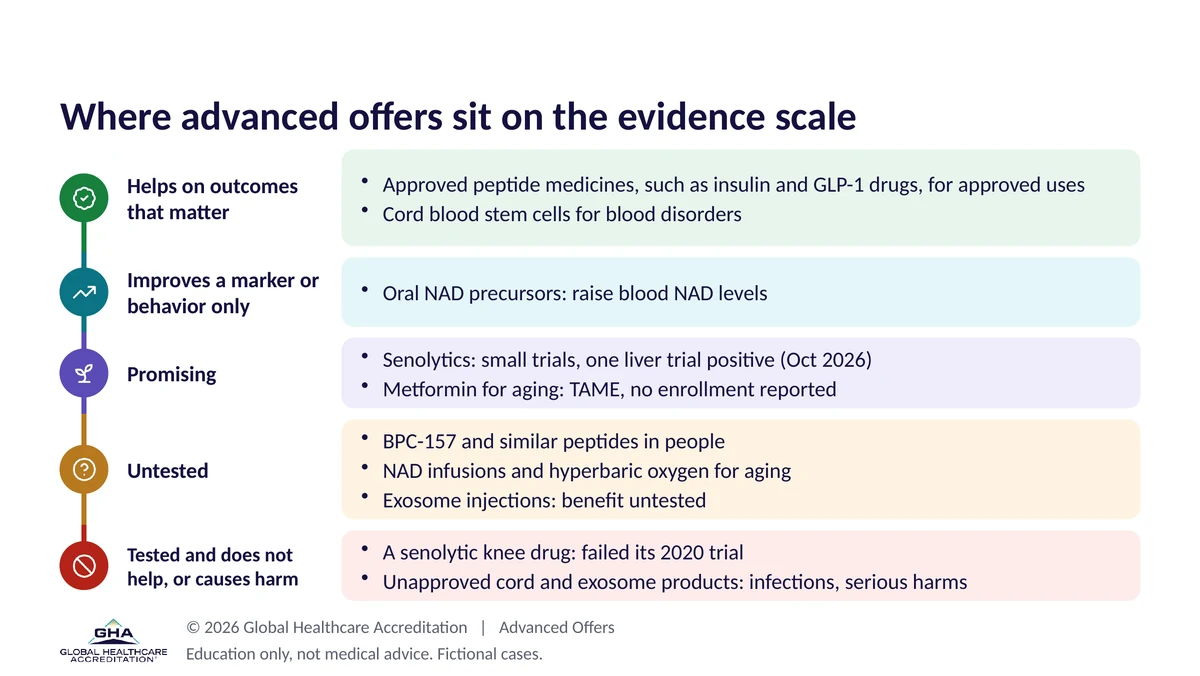
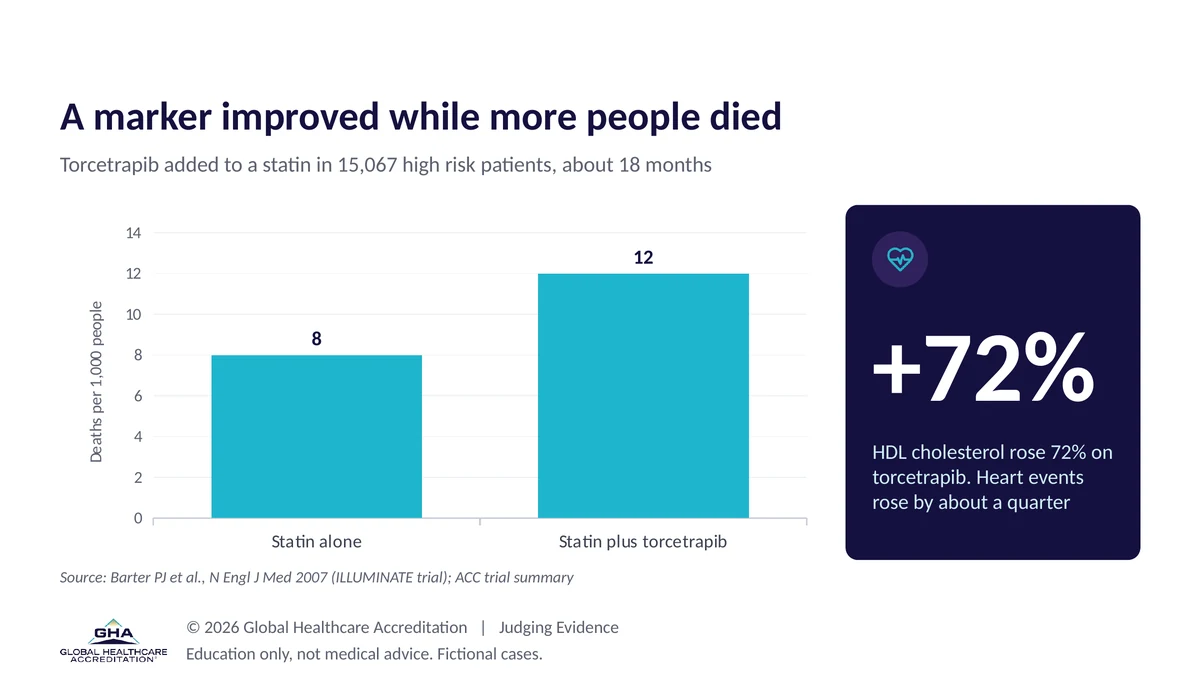
Each teaching module places the main tests, treatments and products for its topic on a five-level evidence scale, from helps on outcomes that matter to tested and does not help, or causes harm, and shows how to explain those limits to patients.
About 27 hours for the core and about 14 more for physicians, at your own pace, with no travel or live sessions.
Continuing education credit is not offered at launch, and there is no case report or practical assessment. The credential shows that you completed the curriculum and passed a proctored exam.

.webp)
.webp)
.webp)
.webp)
.webp)
47 modules, about 27 hours
What longevity care is, how aging works, how to judge evidence and explain risk, and how to find and keep each patient's real reason for coming.
1. What Longevity Care Is and Is Not
2. How We Age: The Biology in Clinical Terms
3. Judging Evidence and Health Claims
4. Explaining Risk and Making Decisions Together
5. Finding the Patient's Real Motivation
6. Motivational Interviewing and Behavior Change
7. Building Motivation Into the Team, Records and Technology
8. Keeping Patients Engaged and Renewing
The conditions and habits that most shape healthy years, taught to the level every member of the team needs.
1. Heart and Blood Vessel Health: Blood Pressure, Cholesterol, ApoB and Lipoprotein(a)
2. Blood Sugar, Insulin Resistance, Weight and Fatty Liver
3. Nutrition That Holds Up to Evidence
4. Physical Activity, Fitness and Strength
5. Muscle, Bone, Balance and Falls
6. Sleep and Sleep Disorders
7. Mental Health, Stress and Social Connection
8. Brain Health and Cognitive Screening
9. Cancer Screening and Early Detection
Senses and oral health, substances, environmental exposures, immunity, women's health, hormones and skin.
1. Vision, Hearing and Oral Health
2. Tobacco, Alcohol and Other Substances
3. Environmental Exposures and Detox Claims
4. Vaccines, Immune Health and Inflammation
5. Women's Health Across the Life Course
6. Hormones Across Adulthood: Menopause, Testosterone and Thyroid
7. Skin Aging and Aesthetic Requests
What lab tests, biological age tests, imaging, genetics, wearables and AI tools can and cannot show.
1. Lab Tests and Biomarkers: Reading Results Responsibly
2. Biological Age Tests and Aging Clocks
3. Imaging, Genetic Tests and Pharmacogenomics
4. Wearables, Continuous Glucose Monitors and Home Monitoring
5. AI in Longevity Care
6. AI as the Integration Layer: Genetics, Microbiome, Biomarkers and Wearables Together
Supplements, advanced offers and devices; scope and referral; infection prevention, patient safety and emergencies; honest claims, consent, privacy and patient rights.
1. Supplements, Over-the-Counter Products and Interactions
2. Peptides, Senolytics, Cell Therapies and Other Advanced Offers
3. Recovery and Wellness Devices: Red Light, Pulsed Electromagnetic Fields, Shockwave, Cold, Sauna and Hyperbaric Oxygen
4. Scope of Practice, Escalation and Referral
5. Infection Prevention and Safe Injections
6. Patient Safety Essentials: Right Patient, Right Product
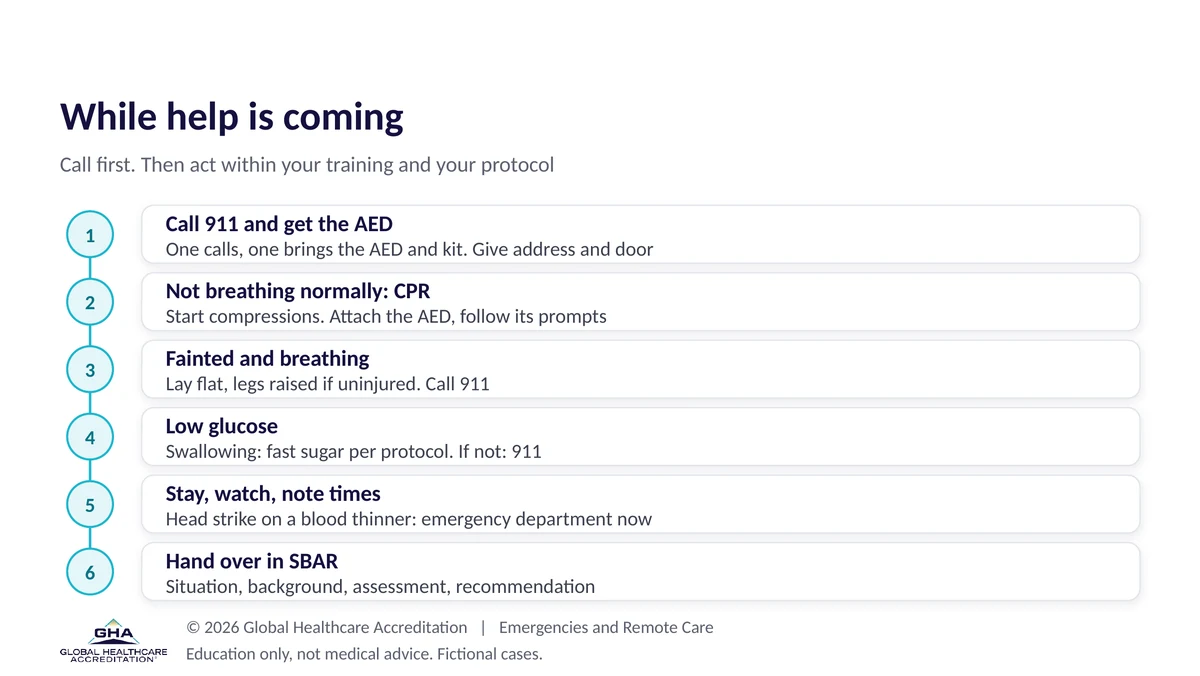
7. Emergencies, Transfers and Care Away From the Clinic
8. Honest Claims, Advertising and Testimonials
9. Consent, Documentation, Privacy and Conflicts of Interest
10. Patient Rights, Equity and Speaking Up
Building the care plan, running and growing a practice, serving individual and employer buyers, and measuring quality.
1. The Longevity Care Plan: From Assessment to Follow-Up
2. Running Care Well: Team, Care Model and Fair Pricing
3. Running a Longevity Practice: Business Model and Operations
4. Who Buys Longevity Care and Why
5. Employer and Corporate Programs
6. Growing the Practice Honestly
7. Measuring Quality and Outcomes
The core plus 24 physician modules, about 41 hours
Deciding well when the evidence is incomplete, reading longevity research critically, and using AI in clinical decisions.
1. Clinical Reasoning Under Uncertainty
2. AI in Clinical Decisions
3. Reading and Appraising Longevity Research
The physician's part in each patient's motivation, continuity of care and renewal.
1. The Physician's Role in Patient Motivation
2. The Physician's Role in Engagement, Continuity and Renewal
Guideline-based decisions on heart risk, blood pressure, kidneys, metabolic disease and cancer screening.
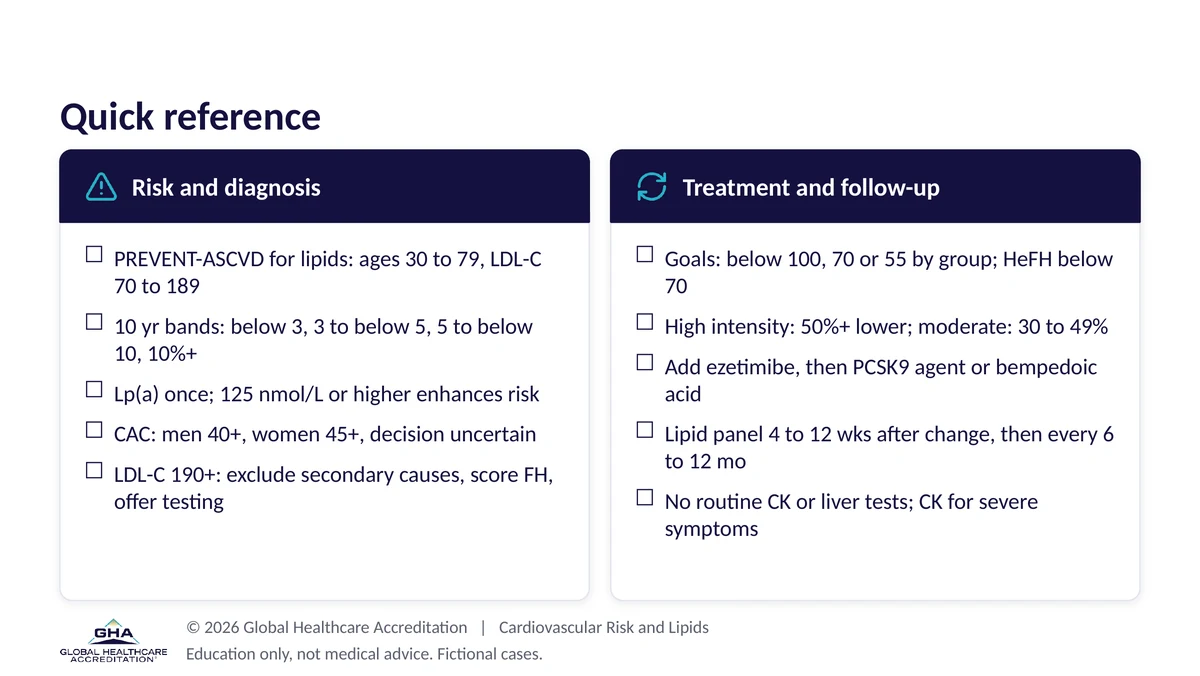
1. Cardiovascular Risk: Assessment, Imaging and Lipid Treatment
2. Blood Pressure and Kidney Protection
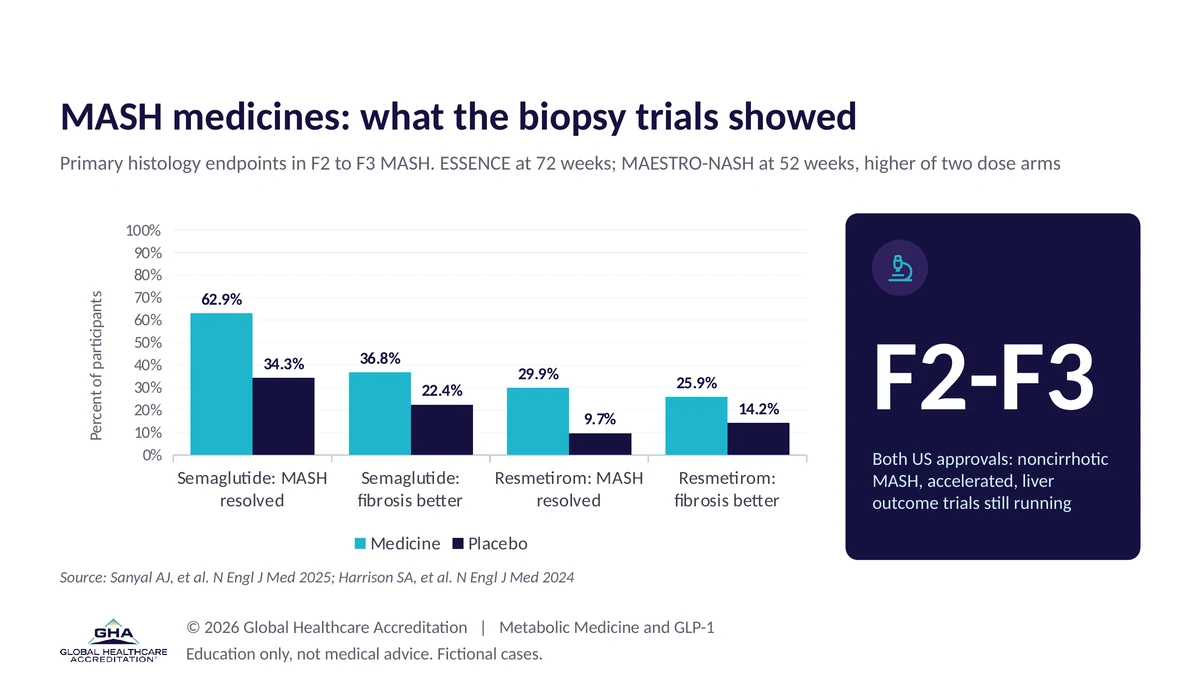
3. Insulin Resistance, Obesity and Fatty Liver, Including GLP-1 Medicines
4. Cancer Screening Decisions and Positive Results
Hormone care for women and men, frailty and falls, and exercise testing and prescription.
1. Menopause and Women's Hormone Care
2. Testosterone, Thyroid and Other Hormone Requests
3. Muscle, Bone, Frailty and Falls
4. Exercise Testing and Prescription
Cognitive assessment and blood biomarkers, sleep medicine, mental health and substance use.
1. Brain Health: Cognitive Assessment, Blood Biomarkers and Risk Reduction
2. Sleep Medicine in Longevity Care
3. Mental Health, Substance Use and Social Health
Governance of peptides, senolytics, rapamycin, metformin, cell-based therapies and infusions. No module gives doses.
1. Frontier Medicines: Peptides, Senolytics, Rapamycin, Metformin and Others
2. Regenerative and Cell-Based Therapies
3. Infusions and Procedure-Based Offers
Polypharmacy, genetic testing, patients with several conditions, medical-legal practice and running a safe practice.
1. Polypharmacy, Interactions and Deprescribing
2. Genetic and Genomic Testing
3. Complex Patients With Several Conditions
4. Medical-Legal Practice and Leading the Clinical Team
5. Running a Safe Longevity Practice: Protocols, Competency and Peer Review
Building the care plan, running and growing a practice, serving individual and employer buyers, and measuring quality.

How the program works, how to pace it and what to expect at each step.

A 2-page Learner Handout and a full transcript for every module.
The quick references from every module in one handbook to keep at hand in clinic.

What each final exam covers, the question style, and how online proctoring works.
A certificate from Global Healthcare Accreditation in your name, and the credential seal for your email signature, professional profiles, curriculum vitae and your page on your practice website.
Patients, employers and partners can confirm your credential status by emailing GHA. Holders are listed in the GHA Professional Directory and may ask not to appear.

The curriculum is mapped to the GHA Longevity Accreditation Standards, the standards behind GHA Longevity Medicine Accreditation™ for organizations.

Physician reviewers will approve every module before release.

Charts and figures carry their sources, and every module states the date it is current as of. Cases are fictional and labeled as teaching examples.

Core modules on medicines, hormones, peptides and regenerative therapies cover evidence and regulatory status. Physician modules point to the product label and current guidelines for dosing; no module gives doses.

The presenters in the videos are AI avatars of real physicians, faculty or GHA team members, made with each person's written permission. GHA does not use stock avatars.
Nurses, coordinators and physicians learn the same evidence framework and the same boundaries of scope.
Staff learn what they can say about tests and therapies, and when a question belongs with a physician.
Certified clinicians can display their GHA seal and be listed in the GHA Professional Directory.
Organizations working toward GHA Longevity Medicine Accreditation™ can train staff on the same principles. Accreditation is assessed separately.
Holders have completed a defined curriculum in longevity medicine and passed the examinations set by Global Healthcare Accreditation.
It does not grant a license to practice, prescribing authority, or any clinical privilege. Every holder works within their own license and the law where they practice.
It is not issued by, or affiliated with, any medical specialty board, and it does not replace board certification or hospital credentialing.
A nurse, coordinator or allied professional who holds the credential has the same scope of practice as before. The credential adds knowledge, not authority.
Certification does not mean any test, therapy, supplement or product is proven to work. The training teaches clinicians how to judge evidence and explain its limits.
Skills such as injections and emergency response are taught on video. Each employer confirms its own staff's competency in practice.
The license or role always comes first, for example: Maria Lopez, RN, Certified Longevity Practitioner™. Holders without a clinical license never present the credential as a license.
The Certified Longevity Practitioner™ is for the whole clinical team: 29 modules, about 17 hours. The Certified Physician in Longevity Medicine™ is for licensed physicians only: the same 29 modules plus 15 physician modules on clinical decision-making, prescribing and medical leadership, about 26 hours in total.
No. The Certified Longevity Practitioner™ and the Certified Physician in Longevity Medicine™ are educational certifications issued by Global Healthcare Accreditation. They are not medical specialty board certifications, and they are not affiliated with any specialty board.
Not in the United States. Longevity medicine is not one of the specialties recognized by the American Board of Medical Specialties. Credentials in this field, including these from GHA, are educational certifications.
No. GHA does not certify that any test, therapy, supplement or product works. The training teaches clinicians how to classify evidence as established, emerging or experimental, and how to explain those limits honestly to patients.
Yes. It is fully online and self-paced, in video modules of about 35 minutes that you can watch on a computer, tablet or phone. There are no live sessions to attend and no travel. At three modules a week, the 29-module core takes about 10 weeks.
Yes. Clinics, hospitals and health systems can enroll physicians and staff together. Physicians follow the Certified Physician in Longevity Medicine™ program and the rest of the team follows the Certified Longevity Practitioner™ program, so everyone learns the same core. Email GHA for team pricing.
They are separate. GHA Longevity Medicine Accreditation™ evaluates an organization. These certifications recognize individual clinicians. A clinic does not need to be accredited for its staff to enroll, and certifying staff does not accredit a clinic or affect an accreditation decision. Many organizations will choose both.
Anyone can confirm a holder's credential status by emailing GHA at info@globalhealthcareaccreditation.com. Holders are listed in the GHA Professional Directory and may ask not to appear.
Email GHA for current tuition, team pricing and enrollment dates. We reply with the full details and the enrollment link.